
API Integrations: How Modern Websites Connect Everything

Every time a shopper checks out using PayPal, a traveler views live hotel rates pinned onto Google Maps, or a business dashboard refreshes with real-time analytics from three different marketing channels, a silent architecture is operating behind the scenes. Modern websites no longer exist as self-contained digital islands. Instead, they function as dynamic hubs in […]
Accessibility in Web Design: A Business Case for ADA Compliance

For years, digital accessibility was treated as an afterthought in software development—a niche box to check at the end of a sprint, or an obscure technical requirement relegated to compliance teams. In today’s digital-first economy, that perspective is not merely outdated; it is financially hazardous. The web is no longer an auxiliary channel; it is […]
How to Design a Website That Converts Visitors into Leads

Traffic is vanity; conversion is sanity. Driving thousands of visitors to a digital property means little if the majority leave within seconds without taking action. In high-performance digital marketing, a website cannot simply act as an aesthetic brochure or an online business card. It must operate as an automated, continuous lead-generation engine. Designing for conversion […]
Progressive Web Apps: High-Impact Benefits and Business Growth Strategies

In the mobile-first economy, the gap between a desktop website, a mobile browser experience, and an installable native application determines whether a brand captures a sale or loses a customer to friction. For years, enterprises faced an expensive dilemma: invest heavily in bespoke native apps for iOS and Android, or rely on responsive websites that […]
UX Design Principles That Improve Conversion Rates

In digital commerce and software delivery, traffic without conversion is merely an expensive vanity metric. Marketing teams spend immense budgets driving qualified leads to landing pages, product catalogs, and checkout flows, only for users to abandon the funnel within seconds. When a digital product fails to convert, stakeholders often look first at pricing, copy, or […]
Website Speed Optimization: A Developer’s Checklist

Performance is not a cosmetic feature or an afterthought to tack onto a sprint before release; it is foundational engineering architecture. Every 100 milliseconds added to page load time degrades user engagement, damages conversion funnels, and penalizes organic search rankings under Google’s Core Web Vitals framework. For developers, speed optimization requires a systematic approach across […]
WordPress vs Webflow vs Custom Development: A Comprehensive Comparison
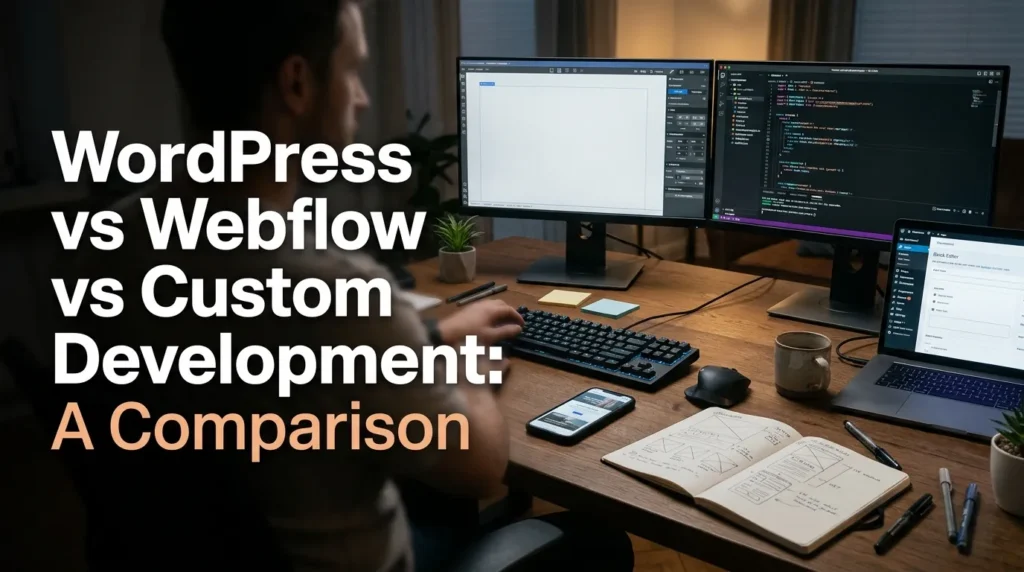
Choosing the digital architecture for your website is one of the most consequential tech and marketing decisions a business will make. The platform you select dictates your launch speed, design fidelity, ongoing maintenance overhead, total cost of ownership, and how gracefully your digital presence scales alongside business growth. Today, three primary contenders dominate the conversation: […]
How to Choose the Right Tech Stack for Your Web Project
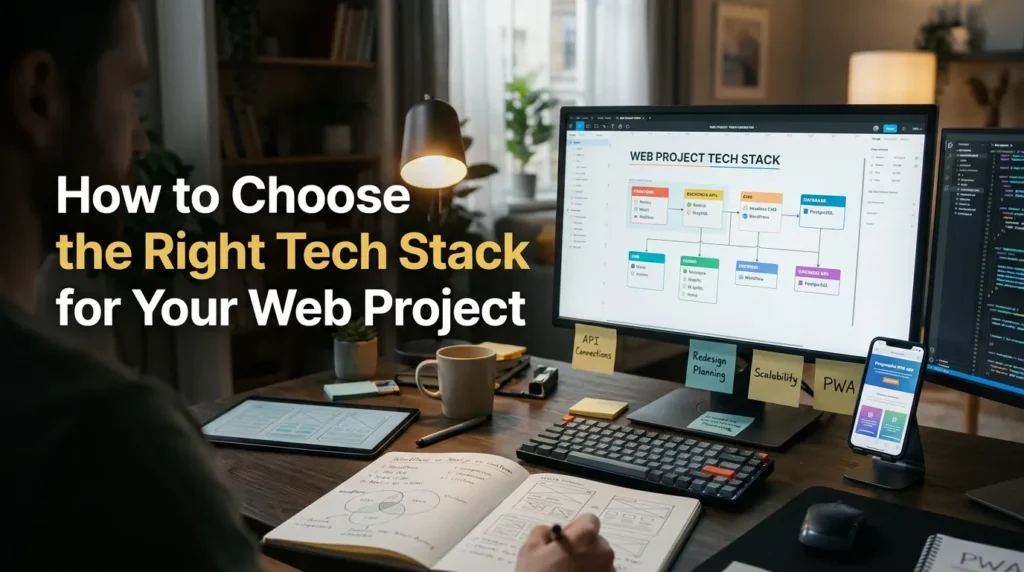
Every web application starts with an architectural foundation. The tools, programming languages, libraries, frameworks, and database engines you combine—collectively known as your technology stack or tech stack—dictate how smoothly development proceeds, how much maintenance costs, how easily the product scales, and whether your application remains competitive over time. Choosing a tech stack based on industry […]
Web Design Trends to Watch in 2026: The Next Digital Frontier

The digital canvas has reached a defining inflection point. For the past decade, web design settled into an era of comfortable predictability: uniform CSS design systems, standardized grid frameworks, pastel drop shadows, and sanitized card components. While this approach prioritized clarity and baseline usability, it also created digital homogenization, where websites across industries began looking […]
Headless CMS Explained: Is It Right for Your Website?
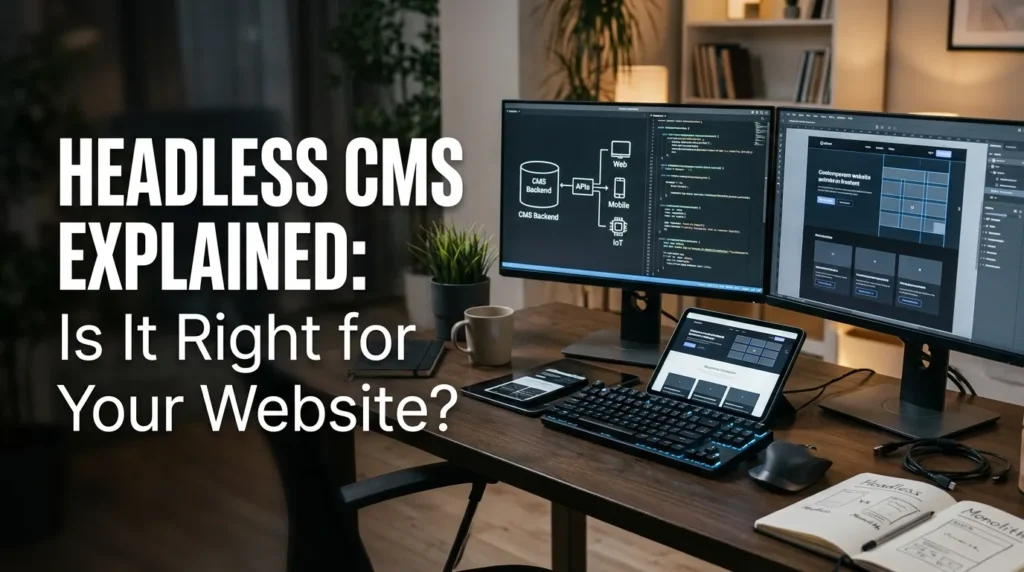
The content management landscape has shifted dramatically over the past decade. For years, monolithic systems like WordPress, Drupal, and Joomla powered the web by packaging everything—from database queries and content authoring to HTML rendering and page styling—into a single application. That all-in-one approach worked smoothly when the primary digital touchpoint was a standard desktop browser. […]