Digital marketing has transformed the way businesses connect with their audiences, moving from traditional billboards and newspaper ads to sophisticated online strategies that reach billions of people worldwide. Whether you’re a small business owner, an aspiring marketer, or simply curious about how companies promote themselves online, understanding digital marketing is essential in today’s interconnected world.
Understanding Digital Marketing: The Foundation
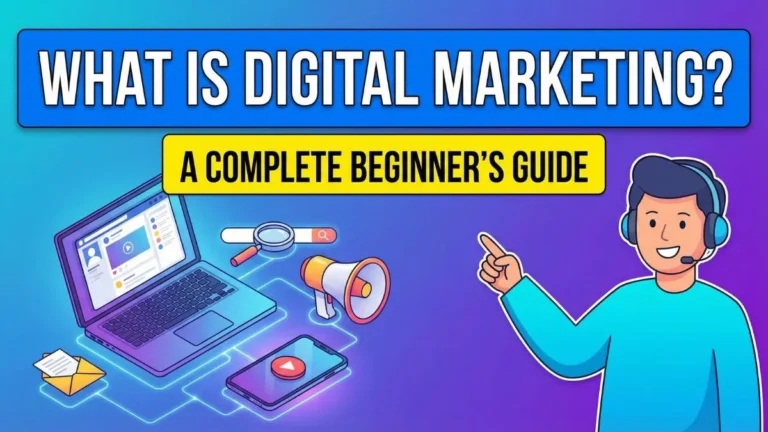
Digital marketing encompasses all marketing efforts that use electronic devices or the internet. Businesses leverage digital channels such as search engines, social media, email, and websites to connect with current and prospective customers. Unlike traditional marketing methods that rely on print, television, or radio, digital marketing allows for real-time interaction, precise targeting, and measurable results.
The evolution of digital marketing mirrors the growth of internet usage itself. As more people spend time online—shopping, socializing, researching, and entertaining themselves—businesses have followed their customers into the digital realm. This shift has created unprecedented opportunities for companies of all sizes to compete on a more level playing field, where creativity and strategy often matter more than massive advertising budgets.
The Core Components of Digital Marketing
Search Engine Optimization (SEO)
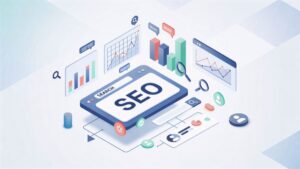
Search Engine Optimization is the practice of improving your website’s visibility in organic (unpaid) search engine results. When someone searches for information, products, or services related to your business, SEO ensures your website appears prominently in those results. With approximately 68% of online experiences beginning with a search engine, having a strong SEO foundation isn’t optional—it’s essential.
SEO involves various strategies including keyword research, content optimization, technical improvements, and building quality backlinks. Understanding SEO basics helps you create content that both search engines and users will appreciate. Modern SEO also incorporates AI-driven approaches, with 67% of small businesses now leveraging AI to improve their content and SEO performance.
The most comprehensive resource for learning keyword research strategies can transform how you attract targeted traffic. Additionally, mastering on-page SEO techniques ensures every webpage is optimized for maximum visibility.
Content Marketing
Content marketing focuses on creating valuable, relevant content to attract and engage a clearly defined audience. Rather than explicitly promoting products or services, content marketing aims to provide genuinely helpful information that builds trust and establishes authority in your industry.
Effective content writing goes beyond simply filling pages with words. It requires understanding your audience’s pain points, questions, and interests. High-quality content serves multiple purposes: it educates your audience, improves your search engine rankings, and positions your brand as an industry thought leader.
Successful content marketing includes blog posts, videos, infographics, podcasts, ebooks, and case studies. The key is consistency and quality. Companies that publish blog content regularly typically see significantly more organic traffic than those that don’t. Learning how to write SEO-friendly content ensures your valuable content actually reaches your target audience.
Social Media Marketing
Social media marketing leverages platforms like Facebook, Instagram, Twitter, LinkedIn, and TikTok to promote your brand, engage with your audience, and drive business results. With over 5.24 billion social media users globally, these platforms offer unprecedented access to potential customers.
The power of social media marketing lies in its ability to facilitate two-way conversations. Unlike traditional advertising, social media enables brands to interact directly with consumers, respond to feedback in real-time, and build authentic relationships. People globally spend an average of 141 minutes daily on social media, providing businesses with consistent opportunities to capture attention.
Modern social media strategies incorporate various content types, with 78% of people preferring to learn about products through short video content. Understanding social media optimization strategies and staying current with social media marketing trends helps businesses maximize their platform presence. Brands should also explore Instagram for business to tap into visual marketing opportunities.
Email Marketing
Email marketing remains one of the most cost-effective digital marketing channels, consistently delivering impressive returns on investment. Despite the rise of social media and messaging apps, email continues to be a direct, personal way to communicate with your audience.
Effective email marketing strategies involve segmentation, personalization, and automation. Modern email campaigns go beyond generic newsletters to deliver targeted content based on user behavior, preferences, and purchase history. Newsletter marketing techniques help businesses maintain consistent communication with their subscribers while providing genuine value.
Successful email marketing requires understanding deliverability, crafting compelling subject lines, and designing mobile-responsive templates. The goal is to nurture relationships, drive conversions, and keep your brand top-of-mind without overwhelming subscribers with excessive messages.
Pay-Per-Click Advertising (PPC)
Pay-Per-Click advertising is a model where advertisers pay each time someone clicks their ad. PPC campaigns appear on search engines, social media platforms, and websites, allowing businesses to reach their target audience at the exact moment they’re searching for relevant products or services.
The appeal of PPC lies in its measurability and control. PPC campaigns typically generate a 200% return on investment, with businesses earning approximately $2 for every $1 spent. This impressive ROI makes PPC attractive for businesses seeking immediate, trackable results.
Understanding mastering PPC strategies is crucial for campaign success. Effective PPC requires keyword research, compelling ad copy, strategic bidding, and continuous optimization. Whether you’re running Google Ads, Facebook Ads, or campaigns on other platforms, learning the fundamentals helps you maximize your advertising budget while minimizing wasted spend.
Affiliate Marketing
Affiliate marketing is a performance-based strategy where businesses reward affiliates (partners) for driving traffic or sales through their marketing efforts. Affiliates promote products or services through their websites, blogs, social media channels, or email lists, earning a commission for each conversion they generate.
This channel benefits both businesses and affiliates. Companies gain access to new audiences without upfront advertising costs, while affiliates can monetize their platforms by recommending products they believe in. Success in affiliate marketing requires building trust with your audience, choosing relevant products, and creating authentic content that resonates with your followers.
Why Digital Marketing Matters for Modern Businesses
Digital marketing has become indispensable for businesses of all sizes, from startups to multinational corporations. Digital marketing allows companies to extend their marketing reach to customers across the globe through online promotions, breaking down geographical barriers that once limited traditional marketing efforts.
Cost-Effectiveness
Digital marketing offers cost-effective methods for marketing locally and globally, allowing even the smallest businesses to compete with bigger ones using highly focused methods. Unlike traditional advertising—which requires significant upfront investment for billboards, television spots, or print ads—digital marketing allows businesses to start with minimal budgets and scale as they see results.
Small businesses can run targeted Facebook ads for a few dollars per day, optimize their website for search engines without spending a dime, or build email lists that generate consistent revenue. This democratization of marketing means that creativity and strategy often matter more than budget size.
Measurable Results and Data-Driven Decisions
One of digital marketing’s most powerful advantages is the ability to track everything. Every click, impression, conversion, and customer interaction generates data that helps businesses understand what’s working and what isn’t. Data analytics in marketing enables companies to make informed decisions rather than relying on gut feelings or guesswork.
Analytics tools like Google Analytics, Facebook Insights, and email marketing platforms provide real-time feedback on campaign performance. This transparency allows marketers to identify successful strategies, eliminate wasteful spending, and continuously improve their approach. Understanding how to use AI to boost SEO and leveraging AI marketing tools can further enhance these data-driven insights.
Targeted Audience Reach
Digital marketing enables laser-focused targeting compared to older methods, allowing businesses to categorize audiences based on demographics, interests, behaviors, and even online habits. This precision targeting ensures marketing messages reach the people most likely to convert, dramatically improving return on investment.
Whether you’re targeting millennials interested in sustainable fashion or business executives searching for productivity software, digital platforms offer sophisticated targeting options. This capability transforms marketing from a broadcast activity into a personalized conversation with each segment of your audience.
Two-Way Communication and Customer Engagement
Digital marketing enables two-way interaction, where brands can convey messages while consumers engage, communicate, and provide feedback in real time. This interactivity builds stronger relationships than traditional one-way advertising ever could.
Social media platforms, comment sections, live chats, and email responses create multiple touchpoints where businesses can listen to customers, address concerns, and demonstrate their commitment to customer satisfaction. This ongoing dialogue transforms customers into brand advocates who willingly promote your business to their networks.
Essential Digital Marketing Skills You Need
Success in digital marketing requires a diverse skill set that combines technical knowledge, creative thinking, and analytical capabilities. AI is rapidly becoming an essential skill for digital marketers due to its ability to analyze vast data sets, personalize marketing efforts, automate repetitive tasks, and ultimately improve ROI.
Technical Skills
Understanding SEO basics forms the foundation of digital marketing success. Marketers should be proficient with analytics platforms like Google Analytics, social media management tools, email marketing software, and content management systems. Knowledge of basic HTML, how websites function, and web development principles enhances your ability to implement and troubleshoot digital campaigns.
Learning digital marketing tools and understanding how to leverage technology gives you a competitive advantage. Familiarity with marketing automation platforms, CRM systems, and graphic design software allows you to execute campaigns more efficiently.
Analytical and Data Skills
With an abundance of data generated daily, the ability to interpret and analyze data is one of the most crucial skills required for digital marketing. Marketers must understand metrics, create meaningful reports, identify trends, and translate data into actionable insights that drive business decisions.
Google Analytics, heat mapping tools, A/B testing platforms, and social media analytics all provide valuable information about campaign performance and user behavior. The ability to draw conclusions from this data separates good marketers from great ones.
Content Creation and Copywriting
Creating compelling content remains at the heart of digital marketing. Whether writing blog posts, crafting social media captions, developing email campaigns, or scripting videos, strong writing skills are essential. Understanding how to write SEO-friendly content that ranks well while engaging readers requires both technical knowledge and creativity.
Content writing skills enable you to communicate value propositions clearly, tell brand stories effectively, and persuade audiences to take action. Visual content creation—including basic graphic design and video editing—has also become increasingly important.
Strategic Thinking and Adaptability
Adaptability and continuous learning are perhaps the most valuable meta-skills for digital marketers, ensuring professionals stay relevant despite rapid industry changes. The digital landscape evolves constantly, with new platforms, algorithms, and best practices emerging regularly.
Successful digital marketers think strategically about how different channels work together, understand customer journeys, and align marketing activities with business objectives. They stay curious, experiment with new approaches, and aren’t afraid to pivot when data shows something isn’t working.
Getting Started With Digital Marketing: A Step-by-Step Approach
Step 1: Define Your Goals
Before launching any digital marketing campaign, clearly identify what you want to achieve. Are you looking to increase brand awareness, generate leads, drive sales, or build customer loyalty? Specific, measurable goals provide direction and enable you to evaluate success.
Common digital marketing objectives include increasing website traffic, growing email lists, improving conversion rates, boosting social media engagement, or generating a specific number of qualified leads. Whatever your goals, ensure they’re SMART: Specific, Measurable, Achievable, Relevant, and Time-bound.
Step 2: Know Your Audience
Understanding your target audience is fundamental to digital marketing success. Create detailed buyer personas that outline your ideal customers’ demographics, behaviors, pain points, interests, and online habits. Where do they spend time online? What content do they consume? What problems are they trying to solve?
Research your audience through surveys, customer interviews, social media listening, and analytics data. The more you understand about your customers, the better you can tailor your marketing messages and choose the most effective channels to reach them.
Step 3: Build Your Digital Foundation
Establish your online presence starting with a professional website. Your website serves as your digital headquarters—the place where you have complete control over your brand experience and message. Ensure your site is mobile-friendly, loads quickly, and provides clear navigation.
Claim your business profiles on relevant social media platforms. You don’t need to be everywhere, but you should have a presence where your target audience spends time. Optimize these profiles with consistent branding, complete information, and compelling descriptions.
Step 4: Create Valuable Content
Develop a content creation strategy that addresses your audience’s needs and interests. Focus on quality over quantity—it’s better to publish one exceptional piece of content weekly than seven mediocre posts.
Consider different content formats: blog articles, videos, infographics, podcasts, case studies, or ebooks. Diversifying your content keeps your audience engaged and allows you to repurpose information across multiple channels. Remember that blogging consistently builds authority and improves SEO over time.
Step 5: Optimize for Search Engines
Implement SEO strategies to improve your website’s visibility in search results. This includes keyword research, on-page optimization, creating quality content, building backlinks, and ensuring technical SEO elements are in place.
SEO is a long-term investment that compounds over time. While you might not see immediate results, consistent optimization efforts can dramatically increase your organic traffic and reduce dependence on paid advertising. For specialized industries, consider implementing healthcare SEO or real estate SEO tactics.
Step 6: Engage on Social Media
Develop a social media presence that aligns with your brand and resonates with your audience. Rather than simply broadcasting promotional messages, focus on building relationships and providing value. Respond to comments, participate in conversations, and share content from others in your industry.
Consistency matters more than perfection on social media. Create a content calendar to plan posts in advance and maintain a regular posting schedule. Use platform-specific features like Instagram Stories, LinkedIn articles, or Facebook Live to increase engagement.
Step 7: Build an Email List
Email marketing delivers one of the highest returns on investment among all digital marketing channels. Start collecting email addresses from website visitors by offering valuable lead magnets—free resources, exclusive content, or special discounts in exchange for contact information.
Segment your email list based on subscriber interests, behaviors, or demographics to send more targeted, relevant messages. Personalized emails significantly outperform generic broadcasts. Establish a consistent email schedule that provides value without overwhelming subscribers’ inboxes.
Step 8: Measure, Analyze, and Optimize
Track your marketing performance using analytics tools. Monitor key performance indicators (KPIs) relevant to your goals—website traffic, conversion rates, email open rates, social media engagement, or cost per acquisition.
Regular analysis reveals what’s working and what isn’t, allowing you to allocate resources more effectively. Digital marketing’s greatest strength is its measurability—use this advantage to continuously refine your approach based on real data rather than assumptions.
Common Digital Marketing Mistakes to Avoid
Neglecting Mobile Users
With the majority of internet traffic now coming from mobile devices, a mobile-friendly experience isn’t optional—it’s essential. Websites that don’t display properly on smartphones frustrate users and hurt search engine rankings. Test your website on various devices and screen sizes to ensure a seamless experience.
Ignoring SEO Fundamentals
Some businesses invest heavily in paid advertising while neglecting organic search optimization. While paid ads can deliver quick results, SEO provides sustainable, long-term traffic. Understanding Google algorithms and avoiding common SEO mistakes protects your online visibility.
Inconsistent Branding
Your brand should present a cohesive image across all digital channels. Inconsistent logos, colors, messaging, or tone confuse audiences and weaken brand recognition. Develop brand guidelines that ensure consistency regardless of where customers encounter your business online.
Spreading Too Thin
Trying to maintain an active presence on every digital platform often leads to mediocre results everywhere. It’s better to excel on two or three channels that align with your audience and goals than to struggle across ten platforms. Focus your efforts where they’ll have the greatest impact.
Focusing Only on Acquisition
While attracting new customers is important, retaining existing customers delivers better ROI. Develop strategies for customer loyalty, repeat purchases, and referrals. Email marketing strategies and personalized communication help nurture long-term customer relationships.
Ignoring Analytics
Creating content without reviewing performance data wastes resources. Analytics reveal which efforts generate results and which fall flat. Regular analysis enables data-driven decisions that improve campaign effectiveness over time. Tools like Google Search Console provide invaluable insights.
The Future of Digital Marketing
Digital marketing continues evolving at a rapid pace, driven by technological advancements and changing consumer behaviors. In 2025, AI shifts from reporting the past to steering the next best action—forecasting demand, auto-optimizing budgets, and powering agentic workflows that cut time-to-decision from days to minutes.
Artificial Intelligence and Automation
AI is no longer just a buzzword—it’s becoming integral to every aspect of digital marketing. From content generation to predictive analytics, chatbots to personalization engines, AI enables marketers to work more efficiently and deliver better results. Understanding how AI is revolutionizing marketing helps businesses stay competitive.
Machine learning algorithms optimize ad bidding in real-time, recommend products based on browsing history, and predict which customers are most likely to convert. Marketers who embrace AI tools for content writing can produce more content faster while maintaining quality.
Voice Search and Conversational AI
Voice searches now make up 20% of mobile queries, signaling a shift from keyword matching to intuitive understanding in search optimization. As smart speakers and voice assistants become ubiquitous, optimizing content for voice search requires focusing on natural language, question-based queries, and local intent.
Conversational marketing through chatbots and messaging apps creates more personal, immediate interactions with customers. These tools handle customer service inquiries, guide users through purchase decisions, and qualify leads—all while providing 24/7 availability.
Video Marketing Dominance
Video content continues its reign as the most engaging format across digital platforms. Short-form videos on TikTok, Instagram Reels, and YouTube Shorts capture attention quickly, while long-form content builds deeper connections. Voice search is currently utilized by 41% of adults, and visual search is expected to grow 17.4% from 2024 to 2032.
Brands that master video production and create compelling visual stories will have significant advantages. Live streaming, interactive videos, and shoppable video content blur the lines between entertainment and commerce.
Privacy-First Marketing
As consumers become more privacy-conscious and regulations like GDPR and CCPA reshape data collection practices, marketers must adapt to a cookie-less future. First-party data—information collected directly from customers—becomes increasingly valuable.
Successful marketers will build trust through transparency, offer clear value exchanges for data, and rely more heavily on owned channels like email lists and communities. Privacy-first marketing isn’t a limitation—it’s an opportunity to build stronger, more authentic customer relationships.
Social Commerce Growth
Social commerce revenues are forecast to surpass $1 trillion dollars by 2028, as platforms integrate shopping features that allow users to discover and purchase products without leaving their social feeds. Instagram Shopping, Facebook Marketplace, TikTok Shop, and Pinterest Product Pins transform social media from awareness channels into complete shopping experiences.
Brands that embrace social commerce can reduce friction in the customer journey, leverage influencer partnerships, and tap into impulse buying behaviors driven by social discovery.
Conclusion: Your Digital Marketing Journey Begins Now
Digital marketing has fundamentally changed how businesses connect with customers, offering unprecedented opportunities for growth regardless of company size or industry. From SEO and content marketing to social media and email campaigns, the digital landscape provides multiple channels to reach your target audience effectively.
The beauty of digital marketing lies in its accessibility and measurability. You don’t need a massive budget to get started—you need strategy, consistency, and willingness to learn. Whether you’re a business owner looking to expand your reach, a marketing professional developing new skills, or an entrepreneur launching your first venture, understanding digital marketing fundamentals positions you for success.
As you embark on your digital marketing journey, remember that this field constantly evolves. Stay curious, experiment with different tactics, analyze your results, and don’t be afraid to pivot when something isn’t working. The most successful digital marketers combine data-driven decision-making with creativity, technical skills with strategic thinking, and automation with authentic human connection.
For those seeking comprehensive support, exploring digital marketing services can provide expert guidance and implementation. Understanding the role of SEO in web development ensures your website foundation supports your marketing efforts from the start.
Start small, focus on mastering one or two channels before expanding, and always keep your customer at the center of your strategy. Digital marketing isn’t just about technology or tactics—it’s about building meaningful relationships, solving real problems, and delivering genuine value to your audience. With the right approach and consistent effort, you can harness digital marketing’s power to achieve your business goals and create lasting success in the digital age.
Frequently Asked Questions (FAQs)
1. What is digital marketing and why is it important?
Digital marketing encompasses all marketing activities conducted through electronic devices and the internet, including SEO, social media, email, content marketing, and PPC advertising. It’s important because the vast majority of consumers now research and purchase products online, making a strong digital presence essential for business growth and customer acquisition.
2. How much does digital marketing cost?
Digital marketing costs vary widely depending on your chosen strategies and business size. Some tactics like SEO and social media marketing require minimal financial investment but significant time commitment, while PPC and paid advertising require ongoing budget allocation. Small businesses might spend anywhere from $500 to $5,000 monthly, while larger enterprises often invest tens of thousands.
3. What’s the difference between SEO and SEM?
SEO (Search Engine Optimization) focuses on improving organic search rankings through website optimization, content creation, and backlink building—it’s unpaid and takes time to show results. SEM (Search Engine Marketing) includes paid advertising on search engines like Google Ads, delivering immediate visibility but requiring ongoing investment. Both strategies complement each other effectively.
4. How long does it take to see results from digital marketing?
The timeline varies by channel. PPC advertising delivers immediate traffic, social media can generate engagement within days, but SEO typically requires 3-6 months for significant results. Email marketing effectiveness depends on list size and engagement. Building a sustainable digital presence is a long-term investment that compounds over time.
5. Can small businesses compete with larger companies in digital marketing?
Absolutely. Digital marketing levels the playing field by allowing businesses of all sizes to target specific audiences precisely. Small businesses often excel by focusing on niche markets, building authentic community relationships, and creating highly personalized content. Agility and creativity frequently matter more than budget size.
6. What are the most effective digital marketing channels?
Effectiveness depends on your industry, target audience, and goals. Generally, SEO and content marketing provide excellent long-term ROI, while email marketing consistently delivers high conversion rates. Social media excels for brand awareness and engagement, and PPC offers immediate, measurable results. Most successful strategies combine multiple channels.
7. Do I need a website for digital marketing?
While you can market through social media and third-party platforms, having your own website provides a central hub you control completely. It establishes credibility, improves SEO, enables detailed tracking, and ensures you’re not dependent on platforms that might change their algorithms or policies unexpectedly.
8. How important is content marketing?
Content marketing is fundamental to digital marketing success. Quality content attracts organic traffic, establishes expertise, nurtures leads, supports SEO efforts, provides social media material, and builds trust with your audience. Businesses that prioritize valuable content consistently outperform competitors who focus solely on promotional messaging.
9. What role does social media play in digital marketing?
Social media serves multiple purposes: building brand awareness, engaging directly with customers, driving website traffic, providing customer service, facilitating social selling, and offering valuable audience insights. The key is choosing platforms where your target audience spends time and creating content that resonates with them.
10. How do I measure digital marketing success?
Define key performance indicators (KPIs) aligned with your goals: website traffic, conversion rates, cost per acquisition, email open rates, social engagement, search rankings, or revenue generated. Use analytics tools like Google Analytics, social media insights, and email platform reports to track performance and adjust strategies based on data.
11. Is email marketing still effective?
Email marketing remains one of the highest-ROI digital channels, often returning $36-$40 for every dollar spent. Success requires building quality lists, segmenting audiences, personalizing content, providing genuine value, and maintaining consistent communication without overwhelming subscribers. Mobile optimization is essential as most emails are now opened on smartphones.
12. What skills do I need for digital marketing?
Key skills include SEO knowledge, content creation, data analysis, social media management, basic design, email marketing, paid advertising, strategic thinking, and adaptability. Technical proficiency with various marketing tools helps, but continuous learning, creativity, and understanding your audience matter most. Many successful marketers started with minimal technical knowledge.
13. How often should I post on social media?
Frequency depends on your platform and audience. Quality trumps quantity—one excellent post daily outperforms five mediocre ones. General guidelines: Facebook 3-7 times weekly, Instagram 3-7 times weekly, Twitter/X multiple times daily, LinkedIn 2-5 times weekly. Monitor engagement to find your optimal schedule.
14. What’s the biggest mistake businesses make with digital marketing?
Common mistakes include lacking a clear strategy, ignoring mobile optimization, inconsistent branding, spreading efforts too thin across platforms, failing to track results, neglecting SEO, focusing solely on selling rather than providing value, and expecting immediate results from long-term strategies like content marketing.
15. How important is mobile optimization?
Mobile optimization is critical—over 60% of web traffic comes from mobile devices. Google uses mobile-first indexing, meaning your mobile site’s performance affects search rankings. Mobile-friendly websites load quickly, display properly on small screens, feature easy navigation, and provide seamless user experiences regardless of device.
16. Should I hire an agency or do digital marketing in-house?
This depends on your budget, expertise, and resources. In-house teams offer better brand understanding and direct control but require significant investment in hiring and training. Agencies provide diverse expertise and scalability but cost more and may serve multiple clients. Many businesses start in-house and supplement with agency support for specialized needs.
17. What’s the future of digital marketing?
The future includes increased AI integration, greater personalization, voice search optimization, augmented reality experiences, privacy-first strategies, video content dominance, social commerce expansion, and more sophisticated automation. Successful marketers will balance technology with authentic human connection, prioritizing customer experience above all.
18. How does influencer marketing work?
Influencer marketing involves partnering with individuals who have engaged audiences in your target market. Influencers promote your products or services through authentic content on their platforms. Compensation varies—from free products to substantial fees—depending on audience size and engagement. Micro-influencers often deliver better ROI than celebrities due to higher engagement rates.
19. What’s conversion rate optimization (CRO)?
CRO involves systematically improving the percentage of website visitors who complete desired actions—making purchases, signing up for newsletters, or downloading resources. It uses A/B testing, user experience improvements, persuasive copywriting, and strategic design to remove friction and increase conversions without requiring more traffic.
20. How can AI help with digital marketing?
AI assists with content creation, ad optimization, customer segmentation, chatbot interactions, predictive analytics, personalization at scale, email subject line testing, and automating repetitive tasks. It processes vast amounts of data to identify patterns humans might miss, enabling smarter decisions and more efficient campaign management while freeing marketers to focus on strategy and creativity.