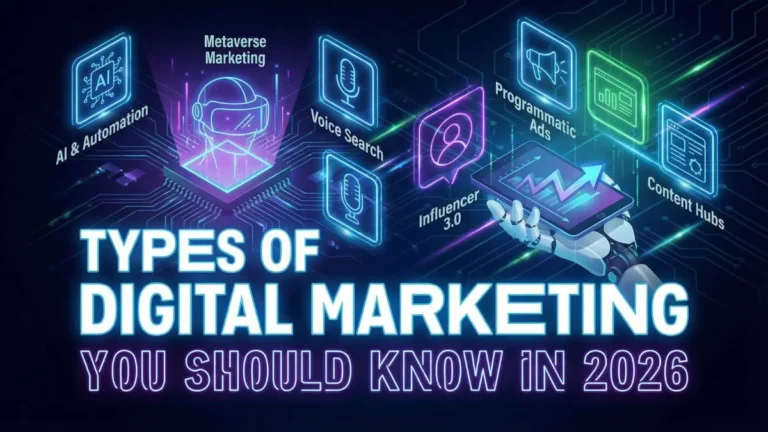
Digital marketing has evolved into an essential component of modern business strategy, with over 5 billion internet users worldwide actively engaging with brands online. As we navigate through 2026, understanding the diverse landscape of digital marketing is no longer optional—it’s crucial for survival in an increasingly competitive marketplace. From artificial intelligence-powered campaigns to immersive metaverse experiences, the digital marketing ecosystem continues to expand and revolutionize how businesses connect with their audiences.
The transformation of digital marketing has been nothing short of remarkable. What began as simple banner ads and email campaigns has blossomed into a sophisticated, multi-channel discipline that leverages cutting-edge technology, data analytics, and creative storytelling. Today’s digital marketers must be versatile, tech-savvy, and constantly adaptive to stay ahead of the curve.
In this comprehensive guide, we’ll explore the most impactful types of digital marketing that businesses should master in 2026, providing you with actionable insights and strategies to elevate your online presence and drive meaningful results.
1. Search Engine Optimization (SEO)
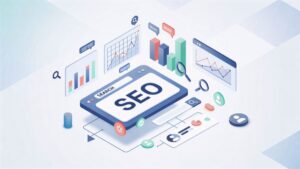
Search Engine Optimization remains the cornerstone of digital marketing success in 2026. With Google processing over 8.5 billion searches daily, appearing on the first page of search results can make or break your business visibility. SEO has evolved significantly, incorporating artificial intelligence, voice search optimization, and user experience signals as critical ranking factors.
Modern SEO encompasses three primary pillars: technical optimization, content quality, and authority building. Technical SEO ensures your website architecture is crawlable, fast-loading, and mobile-responsive. Google’s Core Web Vitals have become non-negotiable ranking factors, with page speed and interactivity directly impacting your search positions.
Content optimization goes beyond keyword stuffing. Search engines now prioritize content that demonstrates E-E-A-T (Experience, Expertise, Authoritativeness, and Trustworthiness). This means creating comprehensive, well-researched content that genuinely answers user queries. Understanding SEO basics is essential for anyone looking to establish a strong online presence.
Off-page SEO focuses on building your website’s authority through quality backlinks, brand mentions, and social signals. The importance of off-page SEO strategies cannot be overstated, as they signal to search engines that your content is valuable and trusted by others in your industry.
Industry-specific SEO has become increasingly important. For instance, healthcare websites require specialized optimization strategies that comply with medical information standards, while real estate professionals must avoid common SEO pitfalls that could cost them valuable leads.
The integration of AI into SEO has transformed how we approach optimization. Tools like Google’s Search Generative Experience (SGE) have changed search behavior, requiring marketers to optimize for AI-generated answers. Using AI to boost your SEO can provide a significant competitive advantage by automating keyword research, content optimization, and performance tracking.
2. Content Marketing
Content marketing has matured into a sophisticated discipline that blends storytelling, data analytics, and strategic distribution. In 2026, successful content marketing isn’t just about producing blog posts—it’s about creating valuable, engaging experiences that educate, entertain, and inspire action.
The foundation of effective content marketing lies in understanding your audience’s pain points, questions, and aspirations. Quality content writing requires mastery of narrative techniques, SEO principles, and conversion optimization. Your content should serve multiple purposes: attracting organic search traffic, establishing thought leadership, and nurturing prospects through the buyer’s journey.
Content formats have diversified dramatically. While blog articles remain important, successful marketers now leverage podcasts, interactive infographics, webinars, downloadable resources, case studies, and user-generated content. Each format serves different audience preferences and consumption habits.
Artificial intelligence tools have revolutionized content creation, enabling marketers to produce high-quality content more efficiently. However, human creativity, emotional intelligence, and strategic thinking remain irreplaceable. The most successful approach combines AI efficiency with human insight.
Content marketing strategies that drive engagement focus on creating valuable resources that solve real problems. This includes comprehensive guides, industry analysis, original research, and practical tutorials. The goal is positioning your brand as the go-to resource in your niche.
The power of storytelling cannot be underestimated. Brands that master narrative techniques create emotional connections with their audiences, transforming casual readers into loyal advocates. The power of words extends beyond mere communication—it shapes perceptions, influences decisions, and builds lasting relationships.
Distribution strategy is equally important as content creation. Publishing great content means nothing if your target audience never sees it. Multi-channel distribution across owned, earned, and paid channels ensures maximum visibility and impact.
3. Social Media Marketing
Social media marketing has evolved from a nice-to-have tactic into a business-critical channel that directly impacts brand awareness, customer acquisition, and revenue generation. With over 4.9 billion social media users globally, platforms like Facebook, Instagram, LinkedIn, TikTok, and emerging networks offer unparalleled opportunities to connect with your audience.
Platform-specific strategies are essential for success. What works on LinkedIn differs dramatically from Instagram or TikTok. Mastering Instagram for business requires understanding visual storytelling, hashtag strategies, Reels optimization, and influencer collaborations. Meanwhile, LinkedIn networking secrets focus on professional relationship building, thought leadership content, and B2B lead generation.
The social media landscape continues to shift rapidly. Future social media marketing trends for 2025 and beyond include increased video content dominance, augmented reality experiences, social commerce integration, and algorithm transparency demands. Marketers must stay agile and adaptive to capitalize on emerging opportunities.
Content strategy on social platforms requires a delicate balance between promotional content, educational resources, entertaining posts, and authentic engagement. The 80-20 rule still applies: 80% value-driven content, 20% promotional. User-generated content and community building have become powerful differentiators that foster brand loyalty.
Social media optimization strategies encompass profile optimization, content scheduling, hashtag research, engagement tactics, and analytics tracking. Consistency in posting frequency, brand voice, and visual identity creates recognition and trust.
Paid social advertising has become increasingly sophisticated, with micro-targeting capabilities that allow precise audience segmentation. Facebook Ads hacks can dramatically improve campaign performance and ROI when implemented strategically. Advanced features like lookalike audiences, retargeting pixels, and conversion optimization algorithms enable marketers to maximize every advertising dollar.
Dominating social media marketing requires more than just posting regularly. It demands strategic planning, creative excellence, data-driven optimization, and genuine community engagement. The brands that win on social media are those that listen to their audiences, respond authentically, and provide consistent value.
4. Pay-Per-Click Advertising (PPC)
Pay-Per-Click advertising remains one of the most effective digital marketing channels for driving immediate, measurable results. Unlike organic strategies that take time to build momentum, PPC campaigns can generate traffic, leads, and sales from day one. Google Ads, Microsoft Advertising, and social media advertising platforms offer sophisticated targeting options that put your message in front of precisely the right audience at the right moment.
Mastering PPC strategies requires understanding campaign structure, keyword research, ad copy optimization, landing page design, and bid management. Successful PPC marketers continuously test and refine every element of their campaigns to improve Quality Scores, reduce cost-per-click, and maximize return on ad spend.
Keyword targeting has become more nuanced with the introduction of match type variations, negative keywords, and audience layering. Effective PPC campaigns balance broad awareness with highly specific, high-intent keywords that capture users at the moment they’re ready to convert.
Ad formats have evolved beyond simple text ads. Google Ads now offers responsive search ads, dynamic search ads, shopping campaigns, video ads, and display advertising with sophisticated retargeting capabilities. Each format serves different campaign objectives and stages of the customer journey.
Landing page optimization is critical for PPC success. Your ad might be perfectly crafted, but if the landing page doesn’t deliver on the ad’s promise or provide a seamless user experience, conversion rates will suffer. Testing different headlines, calls-to-action, form lengths, and page layouts can dramatically improve campaign performance.
Automation and AI have transformed PPC management. Smart bidding strategies use machine learning to optimize bids in real-time based on conversion probability. Automated ad suggestions, responsive ads, and performance forecasting help marketers make data-driven decisions more efficiently.
Budget management and ROI tracking are fundamental to PPC success. Unlike organic channels, every click costs money, making precise tracking and attribution essential. Advanced marketers use multi-touch attribution models to understand how PPC fits into the broader customer journey and contributes to overall business goals.
5. Email Marketing
Despite predictions of its demise, email marketing remains one of the highest-ROI digital marketing channels, generating an average return of $42 for every dollar spent. In 2026, email marketing has evolved into a sophisticated, personalized communication channel that leverages automation, segmentation, and behavioral triggers to deliver the right message to the right person at precisely the right time.
Email marketing strategies that skyrocket sales focus on building permission-based lists, crafting compelling subject lines, designing mobile-responsive templates, and creating value-driven content that subscribers actually want to receive. The key to email success is treating your list as a valuable asset and respecting your subscribers’ inbox.
Segmentation has become increasingly granular, moving beyond basic demographic data to include behavioral triggers, purchase history, engagement levels, and predictive analytics. Advanced email marketers create dozens of micro-segments to deliver hyper-personalized content that resonates with each recipient’s specific interests and needs.
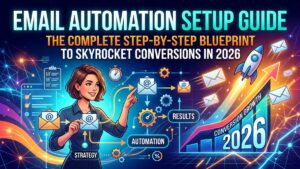
Automation workflows enable marketers to create sophisticated email sequences that nurture leads, onboard new customers, recover abandoned carts, re-engage inactive subscribers, and upsell existing customers. Welcome series, birthday campaigns, post-purchase follow-ups, and win-back campaigns operate automatically, providing consistent touchpoints without manual intervention.
Newsletter marketing strategies have evolved to prioritize value delivery over promotional content. The most successful newsletters provide curated industry insights, exclusive content, practical tips, and community building rather than constant sales pitches.
Personalization extends beyond inserting the recipient’s name. Dynamic content blocks adapt email content based on subscriber preferences, browsing behavior, and previous interactions. This level of customization creates relevance that drives engagement and conversions.
Deliverability remains a critical challenge. With increasingly sophisticated spam filters and inbox prioritization algorithms, marketers must maintain excellent sender reputations, follow authentication protocols (SPF, DKIM, DMARC), and maintain high engagement rates to ensure their messages reach subscribers’ inboxes.
Mobile optimization is non-negotiable, with over 60% of emails opened on mobile devices. Responsive design, concise subject lines, scannable content, and prominent call-to-action buttons ensure positive user experiences regardless of device.
6. Influencer Marketing
Influencer marketing has matured from a trendy tactic into a mainstream marketing channel with proven ROI. In 2026, the influencer landscape has diversified, with nano-influencers (1,000-10,000 followers) and micro-influencers (10,000-100,000 followers) often delivering better engagement rates and authenticity than mega-celebrities.
Insanely effective influencer marketing tactics revolve around authentic partnerships, clear campaign objectives, creative freedom, and measurable performance metrics. The most successful campaigns feel like genuine recommendations rather than obvious advertisements.
Platform selection significantly impacts campaign success. Instagram remains dominant for lifestyle and fashion brands, YouTube excels for product reviews and tutorials, TikTok drives viral awareness among younger demographics, and LinkedIn works well for B2B thought leadership. Each platform requires tailored content strategies and influencer partnership approaches.
Vetting influencers requires thorough due diligence beyond follower counts. Authentic engagement rates, audience demographics, content quality, brand alignment, and previous partnership performance provide better indicators of potential success. Tools that analyze follower authenticity help identify influencers with genuine audiences rather than purchased followers.
Campaign structures range from one-off sponsored posts to long-term brand ambassadorships. While single posts generate awareness, ongoing partnerships build deeper associations between influencers and brands, creating sustained impact. Product seeding, affiliate relationships, and co-creation collaborations offer alternatives to traditional paid sponsorships.
Performance measurement has become more sophisticated, moving beyond vanity metrics like impressions to focus on engagement rates, website traffic, conversion attribution, and customer acquisition costs. Tracking unique discount codes, affiliate links, and UTM parameters enables precise ROI calculation.
Regulatory compliance is essential. Disclosure requirements from the FTC and equivalent international bodies mandate clear identification of sponsored content. Transparent partnerships maintain consumer trust and protect both brands and influencers from legal issues.
The rise of AI-generated influencers and virtual brand ambassadors represents an emerging frontier. While lacking human authenticity, digital influencers offer complete brand control, availability, and scalability that human partnerships cannot match.
7. Video Marketing
Video content has become the dominant medium for digital communication, with users consuming over 17 hours of online video weekly. Platforms like YouTube, TikTok, Instagram Reels, and LinkedIn Video provide unprecedented opportunities to engage audiences through visual storytelling, educational content, and entertainment.
Video production strategies have democratized, with smartphone cameras and accessible editing software enabling high-quality production without Hollywood budgets. However, success still requires strategic planning, compelling storytelling, and technical proficiency.
Content formats include explainer videos, product demonstrations, customer testimonials, behind-the-scenes content, educational tutorials, webinars, live streams, and short-form viral content. Each format serves different objectives and audience preferences. Short-form video (under 60 seconds) has exploded in popularity, driven by TikTok’s influence and changing attention spans.
YouTube optimization requires understanding video SEO, thumbnail design, title optimization, description copywriting, and engagement tactics. YouTube’s algorithm prioritizes watch time, session duration, and engagement signals, rewarding videos that keep viewers watching and exploring additional content.
Live streaming has emerged as a powerful engagement tool, creating real-time interactions, fostering community, and delivering authentic experiences. Product launches, Q&A sessions, behind-the-scenes tours, and educational workshops leverage live video’s immediacy and interactivity.
Video testimonials and case studies provide social proof that written content cannot match. Seeing and hearing satisfied customers share their experiences creates emotional connections and credibility that significantly impact purchasing decisions.
Distribution strategy extends beyond uploading to a single platform. Repurposing video content across multiple channels, embedding videos in blog posts and emails, creating shorter clips for social media, and transcribing content for SEO maximizes content investment.
Accessibility features like closed captions, transcripts, and audio descriptions expand audience reach while improving SEO performance. Captions benefit non-native speakers, viewers in sound-sensitive environments, and hearing-impaired audiences.
8. Affiliate Marketing
Affiliate marketing creates performance-based partnerships where businesses pay commissions for conversions generated by affiliate partners. This model aligns incentives perfectly—affiliates only earn when they drive results, minimizing risk for merchants while creating unlimited earning potential for promoters.
Affiliate marketing comprehensive guide covers program structure, commission models, recruitment strategies, and management systems. Successful affiliate programs provide attractive commissions, quality promotional materials, reliable tracking, and timely payments.
Commission structures vary from percentage-based commissions to fixed payouts per sale, lead, or click. Tiered commission structures reward top-performing affiliates with higher percentages, incentivizing increased promotion. Recurring commissions for subscription products create ongoing passive income for affiliates.
Affiliate networks like ShareASale, CJ Affiliate, and Amazon Associates connect merchants with affiliates, handle tracking and payments, and provide fraud protection. Direct affiliate relationships offer higher commissions and closer partnerships but require more management overhead.
Content creation forms the foundation of affiliate success. Product reviews, comparison articles, tutorials, resource lists, and educational content provide value while naturally incorporating affiliate promotions. The most effective affiliate content prioritizes genuinely helping audiences make informed decisions.
Disclosure requirements mandate transparent identification of affiliate relationships. Honest, upfront disclosure maintains audience trust and complies with legal requirements. Affiliate marketers who prioritize authenticity and value over aggressive promotion build sustainable, long-term businesses.
Performance tracking and optimization separate successful affiliates from those who struggle. Analyzing click-through rates, conversion rates, and earnings per click identifies high-performing promotions and informs content strategy. Testing different promotional approaches, content formats, and traffic sources optimizes overall performance.
Building an email list amplifies affiliate earnings by creating direct communication channels with interested audiences. Email subscribers represent warm prospects more likely to convert than cold traffic, making list building a priority for serious affiliate marketers.
9. Mobile Marketing
Mobile devices account for over 60% of internet traffic, making mobile marketing essential rather than optional. Mobile marketing encompasses responsive website design, mobile apps, SMS marketing, mobile advertising, and location-based promotions.
Mobile-first design prioritizes the mobile experience rather than treating it as an afterthought. Fast loading times, thumb-friendly navigation, simplified forms, and streamlined checkout processes reduce friction and improve conversion rates. Google’s mobile-first indexing means your mobile site directly impacts search rankings.
SMS marketing delivers exceptionally high open rates (over 98%) and rapid engagement, making it ideal for time-sensitive promotions, appointment reminders, and urgent communications. However, permission-based opt-ins and respectful frequency are critical to avoid annoying subscribers.
Mobile apps provide immersive brand experiences, push notification capabilities, offline functionality, and personalized content delivery. While app development requires significant investment, the depth of engagement and data collection capabilities often justify the cost for brands with frequent customer interactions.
Location-based marketing leverages GPS data to deliver contextually relevant messages based on user location. Geofencing triggers notifications when users enter specific areas, while beacon technology enables ultra-precise indoor positioning for retail environments.
Mobile advertising formats include in-app ads, mobile search ads, mobile display advertising, and mobile video ads. Each format requires creative adaptations to small screens and touch-based interactions. Vertical video, swipeable carousels, and playable ads optimize for mobile consumption patterns.
Mobile payment integration streamlines transactions, reducing cart abandonment by eliminating friction at the final conversion step. Digital wallet compatibility, one-click purchases, and biometric authentication create seamless checkout experiences.
Progressive Web Apps (PWAs) bridge the gap between websites and native apps, offering app-like experiences without requiring downloads. PWAs provide offline functionality, push notifications, and home screen installation while maintaining web accessibility.
10. Conversion Rate Optimization (CRO)
Conversion Rate Optimization focuses on increasing the percentage of website visitors who complete desired actions, whether making purchases, filling forms, subscribing to newsletters, or downloading resources. CRO maximizes the value of existing traffic rather than solely focusing on driving more visitors.
Data analysis forms the foundation of effective CRO. Analytics platforms, heat maps, session recordings, and user surveys reveal how visitors interact with your site, where they struggle, and why they abandon. These insights guide optimization priorities and testing hypotheses.
A/B testing compares two versions of a page element to determine which performs better. Headlines, images, button colors, form lengths, page layouts, and calls-to-action all impact conversion rates. Rigorous testing methodology and statistical significance ensure reliable results.
Landing page optimization applies CRO principles to dedicated conversion pages. Clear value propositions, compelling headlines, persuasive copy, trust signals, and prominent calls-to-action guide visitors toward conversion. Removing navigation and minimizing distractions keeps focus on the primary conversion goal.
Form optimization addresses a common conversion bottleneck. Reducing form fields, implementing smart defaults, providing clear instructions, and showing progress indicators improve completion rates. Multi-step forms often outperform single long forms by reducing perceived complexity.
Trust signals like security badges, customer testimonials, money-back guarantees, and social proof reduce purchase anxiety and increase conversion confidence. Displaying these elements prominently near conversion points addresses concerns at critical decision moments.
Page speed optimization directly impacts conversion rates. Even one-second delays reduce conversions significantly. Image optimization, code minification, browser caching, and content delivery networks improve loading times and user experience.
Personalization delivers tailored experiences based on visitor characteristics, behavior, and preferences. Dynamic content, personalized recommendations, and behavior-triggered messaging create relevance that drives higher engagement and conversions.
11. Marketing Automation
Marketing automation platforms orchestrate sophisticated, multi-channel campaigns that respond to customer behaviors, trigger personalized communications, and nurture prospects through complex buyer journeys. Automation transforms marketing from labor-intensive manual processes into efficient, scalable systems.
Lead nurturing workflows automatically deliver sequential content that educates prospects, addresses objections, and moves them toward purchasing decisions. Behavioral triggers—email opens, link clicks, website visits, content downloads—determine which messages each prospect receives and when.
Lead scoring assigns point values to prospect actions and characteristics, identifying sales-ready leads for immediate outreach while continuing to nurture colder prospects. This prioritization ensures sales teams focus on the highest-potential opportunities.
Customer segmentation becomes dynamic rather than static. Automation platforms continuously update segment membership based on ongoing behaviors, ensuring messaging remains relevant as customer interests and needs evolve.
Multi-channel orchestration coordinates messaging across email, SMS, social media, web notifications, and direct mail. Consistent, coordinated touchpoints create cohesive experiences that reinforce messaging and increase campaign effectiveness.
CRM integration connects marketing automation with sales systems, creating seamless handoffs, enabling closed-loop reporting, and providing complete customer journey visibility. This integration ensures marketing and sales alignment around shared objectives and data.
Predictive analytics and AI enhance automation capabilities, forecasting which leads are most likely to convert, recommending optimal send times, suggesting content topics, and identifying upsell opportunities. Machine learning continuously improves automation performance based on historical results.
Reporting and attribution provide unprecedented visibility into marketing performance. Automation platforms track every touchpoint, enabling multi-touch attribution models that accurately assess each channel’s contribution to conversions and revenue.
12. Voice Search Optimization
Voice-activated devices and virtual assistants have fundamentally changed search behavior. Over 50% of searches are now voice-based, requiring marketers to adapt optimization strategies for conversational queries and featured snippet positioning.
Natural language optimization focuses on question-based keywords and conversational phrases. Voice searches tend to be longer, more specific, and phrased as complete questions rather than keyword fragments. Content should directly answer common questions in clear, concise language.
Featured snippets (position zero) are critical for voice search success, as virtual assistants often read these responses aloud. Structuring content with clear questions as headers and direct answers in the following paragraph increases featured snippet opportunities.
Local SEO becomes even more important for voice search, as many queries have local intent (“near me” searches). Optimizing Google Business Profile listings, maintaining consistent NAP (name, address, phone) information, and generating positive reviews improve local voice search visibility.
Schema markup helps search engines understand content context, improving the likelihood of appearing in voice search results. FAQ schema, How-to schema, and Local Business schema provide structured data that virtual assistants can easily interpret and present.
Mobile optimization directly impacts voice search performance, as most voice searches occur on mobile devices. Fast loading times, mobile-friendly design, and secure HTTPS connections are essential.
Conversational content styles that mirror how people actually speak resonate better with voice search algorithms. Writing in first person, using contractions, and addressing the reader directly creates natural-sounding content optimized for voice queries.
13. Chatbot Marketing
AI-powered chatbots have revolutionized customer service, lead generation, and engagement by providing instant, 24/7 responses to customer inquiries. Modern chatbots leverage natural language processing to understand intent, provide relevant information, and complete transactions without human intervention.
Lead qualification chatbots engage website visitors immediately, asking qualifying questions that identify prospect needs and readiness. High-potential leads receive immediate sales outreach, while others enter automated nurturing sequences. This instant engagement captures leads that might otherwise leave without converting.
Customer support chatbots handle routine inquiries, troubleshooting, and FAQs, freeing human agents for complex issues requiring empathy and judgment. Well-designed chatbots reduce support costs while improving response times and customer satisfaction.
Conversational commerce enables transactions directly within chat interfaces. Product recommendations, inventory checks, order placement, and payment processing happen seamlessly in conversation, creating frictionless purchasing experiences.
Appointment scheduling chatbots eliminate phone tag and email exchanges by allowing customers to view availability and book appointments instantly. Integration with calendar systems ensures real-time accuracy and automated confirmations.
Personalization through chatbot interactions improves over time as AI learns individual preferences and behaviors. Returning visitors receive customized recommendations and communications based on previous interactions and purchase history.
Multichannel deployment extends chatbots beyond websites to Facebook Messenger, WhatsApp, SMS, and other messaging platforms where customers already spend time. Meeting customers on their preferred channels increases engagement and satisfaction.
Progressive disclosure prevents overwhelming users with options. Effective chatbots guide conversations with strategic questioning, narrowing possibilities before presenting choices. Fallback options to human agents ensure complex situations receive appropriate attention.
14. Podcast Marketing
Podcasting has exploded in popularity, with over 460 million listeners globally. This intimate, on-demand medium creates unique opportunities for thought leadership, brand building, and audience connection through long-form audio content.
Content formats include interview shows, solo commentary, panel discussions, narrative storytelling, and educational series. Each format serves different objectives and audience preferences. Consistency in format, length, and publishing schedule builds listener loyalty.
Guest appearances on established podcasts provide immediate access to engaged, relevant audiences. Strategic guest appearances position you as an industry expert while driving traffic to your website and social channels. Preparation, storytelling ability, and providing genuine value ensure hosts invite you back and recommend you to others.
Podcast advertising offers highly targeted reach with engaged audiences in distracted-free environments. Host-read advertisements feel more authentic and generate better response rates than traditional pre-recorded ads. Podcast listeners trust host recommendations, making this channel particularly effective.
Show notes and transcripts extend podcast reach beyond audio-only consumption. Detailed show notes provide searchable content that improves SEO, while complete transcripts make content accessible to hearing-impaired audiences and those who prefer reading.
Distribution strategy goes beyond Apple Podcasts. Publishing on Spotify, Google Podcasts, Stitcher, and other platforms maximizes audience reach. Promoting episodes across social media, email newsletters, and blog posts drives initial listenership and episode discovery.
Community building through podcasting creates dedicated fan bases. Encouraging listener feedback, featuring audience questions, and creating exclusive content for supporters deepens engagement beyond passive listening.
Monetization options include sponsorships, premium subscriptions, affiliate marketing, consulting opportunities, and speaking engagements. While building audience takes time, successful podcasts create multiple revenue streams and position hosts as industry authorities.
15. Analytics and Data-Driven Marketing
Data analytics transforms marketing from intuition-based guessing into science-backed decision making. Data analytics roles in marketing have become central to strategy development, campaign optimization, and performance measurement.
Web analytics platforms like Google Analytics 4 track user behavior, conversion paths, traffic sources, and engagement metrics. Understanding these metrics reveals what’s working, what’s not, and where opportunities exist for improvement. However, data collection means nothing without analysis and action.
Attribution modeling addresses the complex question of which marketing touchpoints deserve credit for conversions. First-touch attribution, last-touch attribution, linear attribution, time-decay attribution, and data-driven attribution each provide different perspectives on channel effectiveness. Multi-touch attribution models recognize that customer journeys involve multiple interactions across various channels.
Predictive analytics uses historical data and machine learning to forecast future trends, customer behaviors, and campaign performance. Predictive lead scoring identifies prospects most likely to convert, while customer lifetime value predictions inform acquisition cost decisions.
Segmentation analysis divides customers into meaningful groups based on demographics, behaviors, preferences, and value. Different segments require different messaging, offers, and communication strategies. Sophisticated segmentation moves beyond basic demographics to psychographic and behavioral characteristics.
A/B testing and experimentation provide empirical evidence about what works. Testing subject lines, ad creative, landing pages, pricing strategies, and product features generates insights that compound over time. Rigorous methodology ensures results are statistically significant rather than random fluctuations.
Dashboard and reporting systems transform raw data into actionable insights. Well-designed dashboards highlight key performance indicators, trends, and anomalies that require attention. Automated reporting saves time while ensuring stakeholders receive regular performance updates.
Privacy regulations like GDPR and CCPA require marketers to balance data collection with consumer privacy. First-party data collection through owned channels becomes increasingly valuable as third-party cookies disappear and privacy restrictions tighten.
16. Brand Awareness Marketing
Building brand awareness creates the foundation for all other marketing efforts. People buy from brands they know and trust, making awareness campaigns essential investments in long-term business growth. Strategies to skyrocket brand awareness focus on consistent messaging, memorable experiences, and strategic visibility.
Brand positioning defines how you want your brand perceived relative to competitors. Clear positioning guides all marketing decisions, from messaging to visual identity to channel selection. Effective positioning identifies a unique space in customers’ minds that you can own.
Content marketing for brand awareness prioritizes reach and engagement over immediate conversions. Viral content, thought leadership articles, entertaining videos, and shareable infographics extend brand reach beyond existing audiences. The goal is making your brand famous within your target market.
Sponsorships and partnerships associate your brand with events, causes, or organizations your target audience cares about. Strategic sponsorships create positive brand associations while gaining visibility among relevant audiences.
PR and media coverage provide third-party credibility that advertising cannot match. Securing coverage in industry publications, appearing on relevant podcasts, and contributing to major media outlets position your brand as authoritative and newsworthy.
Consistent brand identity across all touchpoints reinforces recognition. Visual consistency in logos, colors, typography, and imagery creates coherent experiences whether customers encounter your brand on social media, your website, or offline environments.
Storytelling creates emotional connections that transcend rational product features. Brand origin stories, customer success stories, and values-driven narratives make brands memorable and meaningful. People forget specifications but remember how brands make them feel.
Measurement of brand awareness requires different metrics than direct response campaigns. Brand recall surveys, search volume for branded terms, social media mentions, and direct traffic trends indicate awareness growth over time.
17. E-commerce Marketing
E-commerce marketing combines multiple digital channels to attract, convert, and retain online shoppers. The global e-commerce market continues explosive growth, making digital commerce capabilities essential for retailers of all sizes.
E-commerce SEO strategies focus on product page optimization, category page structure, technical performance, and user experience signals. Product descriptions, images, reviews, and structured data help products appear in search results and convert visitors into buyers.
Shopping campaigns in Google Ads showcase products directly in search results with images, prices, and merchant names. Product feed optimization ensures accurate, compelling product information appears in shopping ads, driving qualified traffic to product pages.
Abandoned cart recovery campaigns re-engage shoppers who added items to cart but didn’t complete purchases. Email and retargeting ads remind them about abandoned items, address common objections, and provide incentives to complete transactions. These campaigns typically generate substantial revenue from otherwise lost sales.
Retargeting campaigns keep your brand and products visible to previous website visitors across the web. Dynamic retargeting shows specific products viewed, creating highly personalized ads that drive return visits and conversions.
Product recommendations increase average order values through cross-selling and upselling. AI-powered recommendation engines analyze browsing behavior, purchase history, and similar customer patterns to suggest relevant additional products.
Social commerce enables transactions directly within social media platforms. Instagram Shopping, Facebook Shops, and TikTok Shopping eliminate friction by allowing purchases without leaving social apps. Live shopping events create urgency and entertainment value around product launches.
Loyalty programs encourage repeat purchases through points, rewards, and exclusive benefits. Customer retention costs significantly less than acquisition, making loyalty programs valuable investments in long-term profitability.
18. Web Development and User Experience
While often considered separate from marketing, web development directly impacts marketing effectiveness. A beautifully designed marketing campaign means nothing if the website doesn’t load, doesn’t function on mobile devices, or frustrates users with poor navigation.
Website optimization encompasses technical performance, visual design, information architecture, and conversion functionality. Website optimization tips address speed improvements, mobile responsiveness, clear calls-to-action, and intuitive navigation.
Web development trends shape how brands present themselves online. Progressive web apps, voice interfaces, AI chatbots, augmented reality, and blockchain integration represent emerging technologies that create competitive advantages.
UI/UX design prioritizes user needs, preferences, and behaviors. [UI/UX design tools](https://mmtechbpo.com/top-5-free-ui-ux-design-tools-2024/) enable designers to prototype, test, and refine interfaces before development. User-centered design reduces friction, increases engagement, and improves conversion rates.
The debate between coding versus CMS platforms continues, with each approach offering advantages. Custom-coded sites provide unlimited flexibility and optimization, while content management systems enable non-technical teams to manage content efficiently.
Technical SEO bridges web development and marketing. Technical SEO tips cover site architecture, crawlability, page speed, mobile optimization, and structured data implementation. Developers and marketers must collaborate to ensure sites perform technically while achieving marketing objectives.
Accessibility ensures websites work for all users, including those with disabilities. Beyond ethical considerations, accessibility expands potential audiences and, in many jurisdictions, represents legal requirements. Proper heading structure, alternative text for images, keyboard navigation, and screen reader compatibility benefit everyone.
Security protects both businesses and customers. SSL certificates, regular updates, secure payment processing, and protection against common vulnerabilities maintain trust and prevent costly breaches.
19. Graphic Design and Visual Branding
Visual communication creates immediate impressions and emotional responses that words alone cannot achieve. Graphic designing transforms marketing messages into memorable, shareable, and persuasive visual experiences.
Brand identity systems establish consistent visual languages through logos, color palettes, typography, imagery styles, and design principles. Cohesive visual identities create recognition, professionalism, and trust across all brand touchpoints.
Social media graphics require platform-specific optimization. Instagram favors square and vertical formats, Twitter prefers landscape images, and LinkedIn benefits from professional, informative visuals. Branded templates ensure consistent aesthetics while enabling efficient content production.
Infographics transform complex data and information into visual stories that are easily digestible and shareable. Well-designed infographics earn backlinks, social shares, and position brands as authoritative sources.
Video graphics including thumbnails, lower thirds, motion graphics, and end screens enhance video content and drive higher click-through rates. Compelling thumbnails significantly impact whether viewers choose to watch your videos among countless alternatives.
Advertising creative determines campaign success as much as targeting and budgets. Eye-catching visuals, clear messaging, and strong calls-to-action stop scrolling and drive clicks. Testing multiple creative variations identifies winning concepts that maximize advertising ROI.
Print and packaging design extend digital branding into physical experiences. Even primarily online businesses benefit from thoughtful business card, brochure, and packaging design when opportunities arise for offline brand impressions.
Design trends evolve constantly, but effective design prioritizes clarity, hierarchy, and brand consistency over following every trend. Timeless design principles create lasting impressions while trendy elements provide contemporary relevance.
20. Omnichannel Marketing
Omnichannel marketing creates seamless, integrated experiences across all customer touchpoints. Unlike multichannel marketing, which simply uses multiple channels independently, omnichannel strategy ensures consistent messaging, shared data, and coordinated interactions that recognize customers regardless of channel.
Customer journey mapping identifies all touchpoints where prospects and customers interact with your brand. Understanding these touchpoints enables strategic planning that ensures appropriate messaging at each stage, whether customers engage through social media, email, website, phone, or in-person.
Data integration connects insights from all channels into unified customer profiles. When marketing automation, CRM, e-commerce, and analytics platforms share data, you gain complete visibility into customer behaviors, preferences, and history. This integration enables personalized experiences that acknowledge previous interactions regardless of channel.
Consistent messaging across channels reinforces brand identity and campaign themes. While creative executions adapt to each channel’s unique characteristics, core messages, visual identity, and brand voice remain constant. This consistency creates coherent experiences even as customers move between channels.
Channel optimization recognizes that different channels serve different purposes and attract different behaviors. Email excels for detailed information and direct response, social media builds community and awareness, search captures high-intent prospects, and retargeting reinforces previous interactions. Optimizing each channel’s unique strengths while coordinating overall strategy maximizes effectiveness.
Cross-device experiences ensure seamless transitions as customers switch from smartphones to tablets to desktops. Responsive design, saved carts, and synchronized preferences create continuity regardless of device.
Attribution and measurement become more complex in omnichannel environments. Multi-touch attribution models assess how each channel contributes to conversions, informing budget allocation and strategy optimization. Understanding the interplay between channels reveals synergies and diminishing returns.
Organizational alignment requires breaking down silos between teams managing different channels. Shared objectives, open communication, and collaborative planning ensure coordinated execution rather than competing priorities.
Real-World Success Stories
Understanding theory matters, but seeing how industry leaders implement digital marketing strategies provides practical insights. Companies like Microsoft leading in AI and cloud computing demonstrate how technology giants adapt to changing markets. Meanwhile, Apple’s marketing strategy showcases brand building at its finest.
Retail giants like Amazon’s evolution offers lessons in customer-centricity, while Tesla’s revolution shows how disruption combined with compelling storytelling reshapes industries. Even traditional brands like McDonald’s global domination and Coca-Cola’s marketing genius provide timeless marketing principles.
Technology companies like NVIDIA’s AI dominance, SAP’s business solutions, and Adobe’s creative workflow revolution illustrate how B2B marketing drives enterprise success.
Luxury brands including Chanel’s innovation, Hermès’ growth formula, and Louis Vuitton’s timeless luxury demonstrate how heritage brands maintain relevance in digital ages.
Social media platforms themselves offer valuable lessons. Facebook’s evolution and Instagram’s visual content strategy show platform-specific success factors, while YouTube case studies reveal content growth strategies.
These real-world examples demonstrate that while digital marketing tactics evolve, fundamental principles—understanding your audience, delivering genuine value, maintaining consistency, and adapting to change—remain constant across industries and markets.
Building Your Digital Marketing Skills
Success in digital marketing requires continuous learning and skill development. The most valuable digital marketing skills in 2024 include data analysis, content creation, technical proficiency, strategic thinking, and adaptability.
Organic marketing approaches build sustainable growth without constant advertising spend, while understanding when and how to leverage paid channels creates balanced marketing mix strategies.
For those starting their journey, resources covering digital marketing strategies and essential digital marketing services provide foundational knowledge. Meanwhile, digital marketing tools and free digital marketing apps help implement strategies without breaking budgets.
Specialized knowledge in areas like keyword research strategies, understanding Google algorithms, and maintaining domain authority separates competent marketers from true experts.
The intersection of AI and digital marketing represents the future of the field. AI marketing tools already enhance productivity, personalization, and performance. Marketers who embrace these technologies while maintaining human creativity and strategic thinking will thrive in coming years.
Common Pitfalls to Avoid
Even experienced marketers fall into traps that undermine results. Sales mistakes costing revenue often stem from misalignment between marketing and sales teams, poorly qualified leads, or inadequate follow-up systems.
Focusing exclusively on one channel creates vulnerability when algorithms change or platforms decline. Diversified approaches provide stability and reach audiences across their preferred channels. Similarly, neglecting mobile optimization, ignoring data insights, or failing to test assumptions leads to suboptimal performance.
Inconsistent branding, irregular publishing, and lack of clear strategy create confusion and waste resources. Successful digital marketing requires planning, consistency, and commitment to long-term execution rather than sporadic tactical attempts.
Frequently Asked Questions (FAQs)
1. What is digital marketing and why is it important in 2026?
Digital marketing encompasses all online marketing efforts using internet-connected devices to connect with customers. It’s crucial in 2026 because over 5 billion people use the internet globally, making digital channels essential for reaching target audiences. Digital marketing provides measurable results, precise targeting, cost-effectiveness compared to traditional media, and the ability to personalize experiences at scale. Businesses that neglect digital marketing miss opportunities to compete in an increasingly online marketplace.
2. Which type of digital marketing is most effective for small businesses?
For small businesses with limited budgets, content marketing combined with SEO provides the best long-term ROI. Creating valuable content that ranks in search engines drives consistent organic traffic without ongoing advertising costs. Email marketing offers another high-ROI channel for small businesses, enabling direct communication with customers at minimal cost. Social media marketing, particularly on platforms where your target audience is active, provides cost-effective brand building and customer engagement opportunities. The most effective approach typically combines multiple channels rather than relying on any single tactic.
3. How much should businesses budget for digital marketing?
Digital marketing budgets vary significantly based on industry, business size, goals, and competition. Generally, B2B companies allocate 2-5% of revenue to marketing, while B2C companies often spend 5-10%. Startups in growth mode might invest 12-20% of revenue. Rather than fixed percentages, align budget with specific objectives and expected returns. Track ROI carefully and reinvest in channels delivering results while scaling back underperforming areas. Many successful businesses start with modest budgets focused on high-impact channels like content marketing and SEO, then expand into paid channels as revenue grows.
4. How long does it take to see results from digital marketing?
Timelines vary dramatically by channel. PPC advertising and paid social can generate results immediately, often within hours of launching campaigns. Email marketing to existing lists produces quick results, typically within days. SEO and content marketing require patience, typically showing meaningful results after 3-6 months of consistent effort, with full maturity taking 12-18 months. Social media marketing falls in the middle, with initial engagement possible within weeks but building substantial audiences taking months. Realistic expectations prevent premature abandonment of strategies that need time to compound.
5. Do I need to be on every social media platform?
No, quality consistently on relevant platforms outperforms sporadic presence across all platforms. Identify where your target audience spends time and focus efforts there. B2B companies prioritize LinkedIn and Twitter, while B2C brands targeting younger demographics emphasize Instagram, TikTok, and YouTube. Starting with 2-3 platforms executed excellently produces better results than mediocre presence across eight platforms. You can always expand later once initial platforms are performing well.
6. What’s the difference between SEO and SEM?
SEO (Search Engine Optimization) focuses on earning organic search visibility through content quality, technical optimization, and authority building. Results take time but don’t require ongoing payments for clicks. SEM (Search Engine Marketing) typically refers to paid search advertising where you bid on keywords and pay per click. SEM provides immediate visibility and precise control but requires continuous budget. Most successful strategies combine both—SEO for sustainable long-term traffic and SEM for immediate results and high-value keyword coverage where organic ranking is difficult.
7. How important is video marketing in 2026?
Extremely important. Video content dominates consumption patterns, with users watching 17+ hours weekly. YouTube is the second-largest search engine, TikTok drives cultural conversations, and platforms increasingly prioritize video in algorithms. Video builds trust faster than text, explains complex topics effectively, and generates higher engagement rates. Businesses that neglect video marketing miss significant opportunities to connect with audiences. Fortunately, production quality has become less critical than authenticity and value, making video accessible even with smartphone cameras and basic editing.
8. Should I hire an agency or build an in-house marketing team?
The decision depends on budget, needed expertise, and strategic priorities. Agencies provide immediate access to diverse specialists, established processes, and industry insights across multiple clients. They’re ideal when you need expertise quickly without long hiring processes. In-house teams offer deeper brand understanding, greater control, better integration with other departments, and potentially lower long-term costs. Many growing businesses start with agencies for specialized needs while building core in-house capabilities, then transition to primarily internal teams supplemented by agency partnerships for specific campaigns or expertise gaps.
9. How do I measure digital marketing ROI?
Start by defining clear, measurable objectives aligned with business goals. Track relevant metrics for each channel—website traffic, conversion rates, customer acquisition cost, customer lifetime value, and revenue attribution. Use analytics platforms like Google Analytics 4, marketing automation reporting, and CRM systems to connect marketing activities with business outcomes. Calculate ROI using: (Revenue from Marketing – Marketing Cost) / Marketing Cost × 100. Remember that some marketing activities (brand awareness, content marketing) deliver value beyond immediate conversions. Multi-touch attribution models provide more accurate pictures than last-click attribution by recognizing all touchpoints in customer journeys.
10. What are the most important SEO factors in 2026?
Core ranking factors include content quality and relevance, technical performance (particularly Core Web Vitals), mobile responsiveness, backlink quality and quantity, user experience signals (dwell time, bounce rate), E-E-A-T (Experience, Expertise, Authoritativeness, Trustworthiness), and semantic relevance. Google increasingly uses AI to understand search intent and content quality, making genuine value creation more important than keyword manipulation. Voice search optimization, featured snippet targeting, and structured data implementation have grown in importance. Local SEO factors dominate for location-based businesses.
11. How has AI changed digital marketing?
AI has revolutionized digital marketing through automation, personalization, predictive analytics, and content creation. AI tools automate repetitive tasks like ad bidding, email send-time optimization, and customer segmentation. Predictive analytics forecast customer behavior, enabling proactive engagement. Natural language processing powers chatbots and sentiment analysis. AI writing assistants help content creators produce more efficiently, while AI design tools generate visual assets. Machine learning continuously improves campaign performance based on results data. However, strategic thinking, creativity, emotional intelligence, and ethical oversight remain distinctly human contributions that AI cannot replace.
12. What role does mobile optimization play in digital marketing success?
Mobile optimization is critical, with mobile devices accounting for 60%+ of internet traffic. Google uses mobile-first indexing, meaning your mobile site directly impacts search rankings. Mobile users exhibit different behaviors—shorter attention spans, thumb-based navigation, and location-awareness. Poor mobile experiences lead to immediate abandonment, wasted advertising spend, and lost conversions. Mobile optimization encompasses responsive design, fast loading times (under 3 seconds), simplified navigation, thumb-friendly buttons, streamlined forms, and mobile-specific features like click-to-call and location services.
13. How do privacy regulations affect digital marketing?
Regulations like GDPR, CCPA, and emerging privacy laws limit data collection, require explicit consent, and give consumers control over their information. These changes have reduced third-party cookie effectiveness, limited tracking capabilities, and increased compliance requirements. Marketers must focus on first-party data collection through owned channels, contextual advertising, and consent-based marketing. Privacy regulations ultimately benefit ethical marketers by leveling the playing field against those who previously exploited data unfairly. Transparent data practices build trust and differentiate brands in privacy-conscious markets.
14. What is marketing automation and who needs it?
Marketing automation uses software to automate repetitive marketing tasks—email sequences, social media posting, ad campaigns, lead scoring, and reporting. Any business with consistent lead flow, multiple customer segments, or complex nurture sequences benefits from automation. It’s particularly valuable for B2B companies with longer sales cycles requiring sustained engagement. Automation increases efficiency, improves personalization at scale, ensures consistent follow-up, and provides detailed performance tracking. However, automation requires strategic planning, quality content, and proper setup to avoid automated mediocrity.
15. How do I create a digital marketing strategy?
Begin with clear business objectives and audience research understanding who you’re targeting and what problems you solve. Conduct competitor analysis identifying gaps and opportunities. Select appropriate channels based on where your audience is active and which align with your strengths. Create a content calendar ensuring consistent execution. Set measurable KPIs for each channel and overall strategy. Allocate budget across channels based on expected returns. Implement tracking systems capturing relevant data. Execute consistently while monitoring performance. Analyze results regularly, learning what works and what doesn’t. Optimize based on insights, continuously improving performance. Review and adjust strategy quarterly as markets, competition, and technologies evolve.
16. What’s the difference between B2B and B2C digital marketing?
B2B marketing typically involves longer sales cycles, multiple decision-makers, higher transaction values, and emphasis on logic and ROI. Content focuses on expertise, case studies, whitepapers, and educational resources. LinkedIn, email, and industry publications are primary channels. B2C marketing often features shorter sales cycles, individual decision-makers, emotional appeals, and lower transaction values. Content emphasizes lifestyle benefits, entertainment, and social proof. Instagram, Facebook, TikTok, and influencer partnerships dominate B2C strategies. However, these distinctions blur as B2B marketing incorporates more emotional storytelling and B2C develops sophisticated personalization.
17. How important is content quality versus quantity?
Quality significantly outweighs quantity. One exceptional piece that ranks for valuable keywords, earns backlinks, and gets shared provides more value than ten mediocre articles no one reads or links to. Search engines increasingly prioritize comprehensive, well-researched content demonstrating expertise. However, consistency matters—publishing quality content regularly keeps audiences engaged and signals to search engines that your site remains active. The ideal approach balances thoroughness with sustainable production pace. Better to publish two exceptional pieces monthly than eight forgettable ones.
18. What are the best free digital marketing tools for beginners?
Google Analytics provides comprehensive website analytics, Google Search Console reveals search performance insights, Google Business Profile manages local SEO, Canva creates professional graphics, Mailchimp offers email marketing for small lists, Buffer schedules social media posts, Ubersuggest performs keyword research, and Yoast SEO optimizes WordPress sites. These free tools provide substantial functionality allowing beginners to implement professional digital marketing without significant investment. As skills develop and budgets grow, upgrading to premium tools provides advanced features, but free tools remain surprisingly capable.
19. How do I choose the right digital marketing channels for my business?
Start by understanding your target audience—where do they spend time online, how do they research solutions, what content formats do they prefer? Analyze competitors to see where they’re active and successful. Consider your resources—which channels can you execute well given your time, budget, and expertise? Align channels with your goals—brand awareness favors social media and content marketing, while direct response prefers search and email. Test multiple channels initially with small budgets, then double down on those showing promising results. Remember that effective digital marketing typically requires multiple channels working together rather than single-channel reliance.
20. What skills do I need to succeed in digital marketing?
Essential skills include analytical thinking for data interpretation, creativity for content and campaign development, technical proficiency with marketing tools and platforms, strategic thinking for campaign planning, communication skills for copywriting and collaboration, adaptability for constant industry changes, project management for coordinating campaigns, and customer empathy for understanding audience needs. Strong writing ability remains fundamental across most digital marketing roles. Specialized roles require additional expertise—SEO specialists need technical knowledge, social media managers need platform expertise, and PPC specialists need paid advertising mastery. Continuous learning is perhaps the most important skill as digital marketing evolves rapidly.
Conclusion
Digital marketing in 2026 offers unprecedented opportunities for businesses willing to embrace its complexity and possibilities. From foundational strategies like SEO and content marketing to emerging frontiers like AI-powered personalization and voice search optimization, the digital landscape continues expanding in scope and sophistication.
Success doesn’t require mastering every channel simultaneously. Start with strategies aligned with your audience, resources, and objectives. Focus on execution excellence rather than scattered mediocrity. Build measurement systems that connect marketing activities with business outcomes. Test, learn, and optimize continuously.
The businesses that thrive understand digital marketing isn’t about isolated tactics—it’s about creating cohesive ecosystems where multiple channels work synergistically. Comprehensive digital marketing services integrate these various components into unified strategies that amplify overall impact.
Technology will continue evolving, platforms will rise and fall, and best practices will shift. But fundamental principles—understanding your audience deeply, delivering genuine value consistently, maintaining authentic brand voice, measuring performance rigorously, and adapting strategically—remain constant.
Whether you’re building an in-house marketing team, partnering with agencies, or executing strategies independently, the knowledge and frameworks outlined in this guide provide a solid foundation for digital marketing success in 2026 and beyond.
The question isn’t whether your business needs digital marketing—it’s which strategies you’ll implement first and how quickly you’ll adapt to the opportunities ahead. The digital future is now. Your audience is online. Your competitors are marketing. The only question is: are you ready to compete and win in the digital arena?
Ready to transform your digital marketing strategy? Whether you need comprehensive SEO services, cutting-edge web development, strategic digital marketing consultation, or complete business solutions, our team of experts is ready to help you achieve measurable results. Contact us today to schedule a consultation and discover how we can elevate your online presence.
External Resources:
MarketingProfs B2B Marketing Resources
Google’s Digital Marketing Certifications
HubSpot Academy Free Marketing Courses
Content Marketing Institute Research and Insights
Search Engine Journal Latest SEO News